
Expert Hydronic Home Heating Solutions

If you’ve experienced hydronic heating in a well-heated home, you already know the difference: no noise, no drafts, no dust, just a gentle, even warmth that radiates up from the floor or out from wall panels and fills every corner of the room. Patrick Barrie from Bega Valley Hot Water has been installing hydronic home heating systems across the Bega Valley for over 16 years, working closely with the region’s leading hydronic heating specialist, Rob Townsend of Bega Heating & Solar. From Bega to Merimbula, Eden, Pambula, Cobargo and Bermagui,  if you’re building a new home or retrofitting an existing one, Patrick can design and install a hydronic system that will keep your family warm for decades.

How Does Hydronic Heating Work?

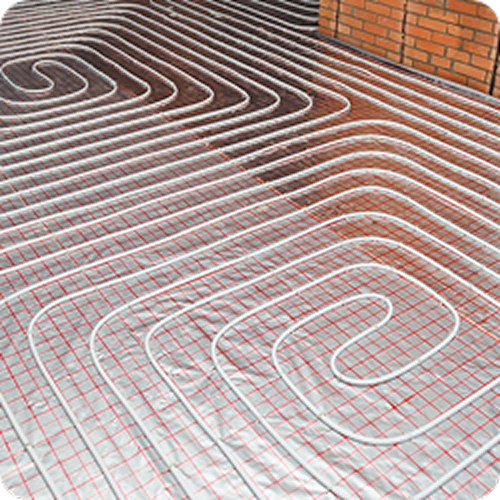
Hydronic heating works by circulating heated water through a closed loop of pipes installed throughout your home. The water is heated by a boiler, which can run on gas, wood, a heat pump, or solar energy, and the warmth radiates either through pipes laid beneath the floor (underfloor heating) or through panel radiators mounted on the walls.

Unlike ducted heating systems, hydronic systems don’t move air,  which means no blowing dust or allergens around your home, no drying out of the air, and no noise from fans or vents. The heat rises evenly and quietly, creating a consistent ambient temperature throughout the house.

Because water is an extremely efficient carrier of heat, hydronic systems use significantly less energy to maintain comfortable temperatures compared to traditional electric or gas space heaters,  typically saving homeowners 20-35% on heating running costs.

Hydronic Heating Systems Available in the Bega Valley

Every hydronic heating installation Patrick designs is tailored to the specific home, floor plan, heat source, and budget. The two main delivery systems are:

Underfloor (Radiant Floor) Heating

PEX tubing is laid beneath the floor surface,  within a concrete slab (ideal for new builds) or in screed above an existing slab (suitable for many renovations). Heat radiates upward evenly across the entire floor, eliminating cold spots. Works beautifully under tiles, polished concrete, and engineered timber.

Best for: New builds, major renovations, slab-on-ground construction, tiled floors.

Panel Radiators

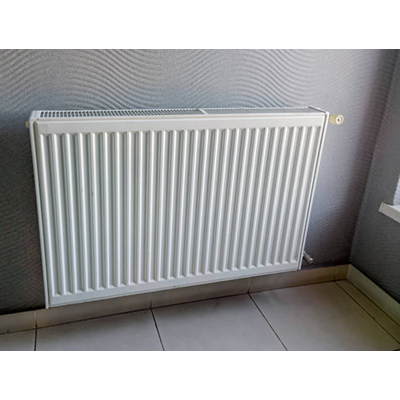
Wall-mounted radiator panels connect to the hydronic pipe network and can be fitted in virtually any room,  including in existing homes, without needing to open up floors. Each radiator can be individually thermostat-controlled, so you heat only the rooms you’re using. Modern radiator styles are actually a design feature.

Best for: Existing homes, retrofits, room-by-room control, budget-conscious installs.

Patrick also installs hydronic towel rails, plinth heaters, and can advise on skirting-board hydronic systems for spaces where radiators or underfloor systems aren’t practical. Not sure which system suits your home? Call 0481 316 032 for an honest, no-pressure assessment.

Choosing the Right Heat Source for Your Hydronic System

One of the great advantages of hydronic heating is flexibility; the heat source can be changed or upgraded without replacing the entire pipe network. Patrick installs hydronic systems connected to:

Wood Fired Boiler

Ideal for rural Bega Valley properties with timber access. A wood-fired boiler heats the entire hydronic system from a single firebox, warm, self-sufficient, and off-grid capable.

Panel Radiators

Wall-mounted radiator panels connect to the hydronic pipe network and can be fitted in virtually any room,  including in existing homes, without needing to open up floors. Each radiator can be individually thermostat-controlled, so you heat only the rooms you’re using. Modern radiator styles are actually a design feature.

Best for: Existing homes, retrofits, room-by-room control, budget-conscious installs.

Gas Boiler

Gas-fired hydronic boilers are highly efficient,  up to 95%,  and provide fast, consistent heat. Suitable for properties on town gas or LPG in the Bega Valley.

Why Bega Valley Homeowners Choose Hydronic Heating

The Bega Valley has cold winters,  particularly on the ranges around Cobargo, Candelo, and Bemboka, where overnight temperatures regularly drop below freezing. Hydronic heating is one of the most effective ways to deal with that cold, and here’s why locals are choosing it:

  • Consistent, even warmth throughout the home,  no hot or cold spots, no chilly corners
  • Completely silent,  no fan noise, no ducted system rumble
  • Healthier indoor air quality,  no dust, allergens, or dry air being circulated
  • Zone control,  heat only the rooms you’re using, when you’re using them
  • 20-35% lower running costs compared to conventional electric or gas space heaters
  • Completely invisible when using underfloor systems,  no units to work around or dust
  • Compatible with solar, wood, gas, or heat pump energy sources,  future-proof
  • Adds long-term value to your property,  particularly appealing to buyers in cooler climates


Why Choose Bega Valley Hot Water for Hydronic Heating?

✔ 16+ years local hydronic experience
Patrick trained alongside Rob Townsend of Bega Heating & Solar, one of the Bega Valley’s most respected hydronic specialists. He’s installed systems in all types of properties across the region.

✔ Specialist, not a generalist
Hot water and hydronic heating are all Patrick does. You get deep specialist knowledge, not a general plumber fitting a system between other jobs.

✔ Custom-designed for your home
Every hydronic installation Patrick does is designed specifically for that property, floor plan, heat loss, zone layout, and heat source are all considered before a pipe is laid.

✔ Fully licensed & insured
NSW Plumbing Licence No. 5731. All work is fully insured. You’re protected at every stage of the installation.

✔ One tradie, complete installation
Patrick is licensed for all plumbing work required for a hydronic installation; there is no need to coordinate separate tradespeople.

✔ Free, no-pressure consultations
Hydronic systems are a significant investment. Patrick takes the time to walk you through all your options honestly before a single decision is made.

What to Expect: Hydronic Heating Installation in the Bega Valley

Every hydronic heating project is different, but Patrick follows a consistent process to make sure every system is designed and built to last:

  • Free consultation,  Patrick visits your property, reviews your floor plan, and discusses your heating goals, preferred heat source, and budget
  • System design,  Patrick designs the pipe layout, zone configuration, boiler selection, and thermostat setup specific to your home.
  • Underfloor pipes are laid during the slab pour or screed stage for new builds; radiator systems can be retrofitted with minimal disruption.
  • Boiler and controls installation,  all plumbing and electrical connections completed to Australian Standards, fully licensed
  • During commissioning and handover,  the system is pressure-tested, balanced, and Patrick walks you through operating the controls and zones.

Patrick services the full Bega Valley, including Bega, Merimbula, Eden, Pambula, Tathra, Cobargo, Bermagui, Candelo, Bemboka, and surrounding areas.

How Much Does Hydronic Heating Cost in the Bega Valley?

Hydronic heating is a custom installation; no two homes are the same. The cost depends on your home’s size and layout, the type of system (underfloor vs radiators), the heat source you choose, whether it’s a new build or a retrofit, and the extent of zoning required.

Rather than give you a number that won’t reflect your situation, Patrick will assess your home in person and give you a clear, detailed quote with no surprises.

Call 0481 316 032 or use the contact form below to book your free consultation.

Frequently Asked Questions, Hydronic Heating Bega Valley

Can hydronic heating be installed in an existing Bega Valley home?

Yes. Panel radiators are the most practical option for existing homes; they connect to the hydronic pipe network with minimal disruption to walls and floors, and can be fitted room by room. Underfloor hydronic heating is also possible in renovations where floors are being opened up. Patrick will assess your home and recommend the most practical approach.

What's the difference between hydronic underfloor heating and electric underfloor heating?

Hydronic underfloor heating circulates hot water through pipes beneath the floor and is connected to a boiler. It’s significantly cheaper to run for whole-home heating because water transfers heat much more efficiently than electric resistance cables. Electric underfloor heating is simpler to install in a single room (like a bathroom) but costs more to run at scale. For whole-home heating in the Bega Valley, hydronic is almost always the better long-term investment.

Is hydronic heating suitable for the Bega Valley climate?

Absolutely. Hydronic heating is ideal for Bega Valley winters, particularly for homes on the ranges around Cobargo, Candelo, and Bemboka, where temperatures drop significantly overnight. The even, radiant warmth of a hydronic system is particularly effective in well-insulated homes, and the system can be zoned so you’re only heating the parts of the house you’re using.

Can I connect a wood-fired boiler to a hydronic heating system?

Yes,  and this is a very popular option for rural Bega Valley properties with access to timber. A wood-fired boiler heats the hydronic loop directly and can supply both your home heating and your domestic hot water. Patrick has extensive experience with wood-fired hydronic systems and can advise on the right boiler size and setup for your property.

How long does a hydronic heating installation take?

It varies significantly depending on the system type and property. For a new build with in-slab underfloor heating, the pipe laying is done during construction in stages. A panel radiator retrofit for a 3-4 bedroom home typically takes 2-4 days. Patrick will give you a clear timeline estimate as part of your free consultation.

Does hydronic heating work with solar panels?

Yes. An air-to-water heat pump connected to your solar system is one of the most energy-efficient ways to run a hydronic heating system. On sunny days, you’re essentially heating your home for free. This combination is growing in popularity across the Bega Valley as electricity prices rise and solar system costs fall.

Contact Us For A Fast Response

Or Submit the form below